
Exhaust repairs and welding in Peterborough
Exclusive Auto repairs exhausts at 3 Welbeck Way in Peterborough, fixing holes, blowing joints, broken hangers and noisy silencers. Exhaust sections are MIG welded in-house, so a system that is otherwise sound can often be repaired rather than replaced. Silencers, catalytic converters, downpipes, manifold work and one-off fabricated sections are all covered.
Is your exhaust blowing, rattling or louder than it should be?
Exhaust faults usually make themselves known by sound or smell before anything else.
- A deeper, louder exhaust note, especially when you accelerate
- A ticking or puffing sound from the engine bay on a cold start, often a blowing manifold
- Rattling or knocking from under the car over bumps
- Exhaust fumes you can smell inside the car
- The exhaust hanging low, or a broken hanger or bracket
- An engine management light linked to emissions or the catalytic converter
Repair or replace: how we decide on an exhaust
Most exhausts fail from the inside out. Water condenses in the system on short journeys, collects in the silencers and slowly rots them, which is why the rear box often goes first. With the car on the lift, we trace the leak or rattle and then check the metal around it. If the surrounding pipe is solid, a split or blowing joint can be cut out and a new section MIG welded in, keeping the parts that are still good. If the pipe is thin and flaking, a weld won't hold, and a new section or silencer is the better repair.
Mild steel and stainless steel exhausts can both be welded. A catalytic converter is replaced when it is damaged or no longer working, ideally once a diagnostic check has ruled out other causes. Exhaust leaks matter beyond noise: a leak ahead of the oxygen sensor can upset the fuel mixture, and fumes can find their way into the cabin.
Exhaust work carried out in our workshop
- MIG welding repairs to pipes, joints and flanges
- Silencer and back box replacement
- Catalytic converter replacement
- Manifold and downpipe work
- New hangers, brackets and clamps
- Custom exhaust sections fabricated to fit
Fixing an exhaust, step by step
- 1
Find the fault on the lift
The car goes up on the lift so the full length of the exhaust can be checked for leaks, rattles, corrosion and failed hangers.
- 2
Quote the repair or replacement
We explain whether the damaged part can be welded or should be replaced, and quote before any cutting starts.
- 3
Cut back to sound metal
The failed pipe, joint or silencer is cut back to clean, solid metal so the repair has something strong to join to.
- 4
Weld or fit the new section
A repair section or new part is MIG welded or clamped in place, and the system is hung on its mounts so it sits clear of the floorpan.
- 5
Test for leaks and back pressure
With the engine running, every joint is checked for leaks and back pressure, and the exhaust is listened to at idle and under load.
What the price of an exhaust repair depends on
- Whether the damage can be welded or the part needs replacing
- Which part has failed: a pipe, a silencer, the catalytic converter or the manifold
- The state of the surrounding pipework, and how seized the clamps and bolts are
- Standard replacement parts or a custom fabricated section
- Parts prices for your make and model
Record a short clip of the noise and send it on WhatsApp to 07763 815479 for a free estimate; the final price is confirmed once the car is on the lift, before work begins.
Photos from the workshop
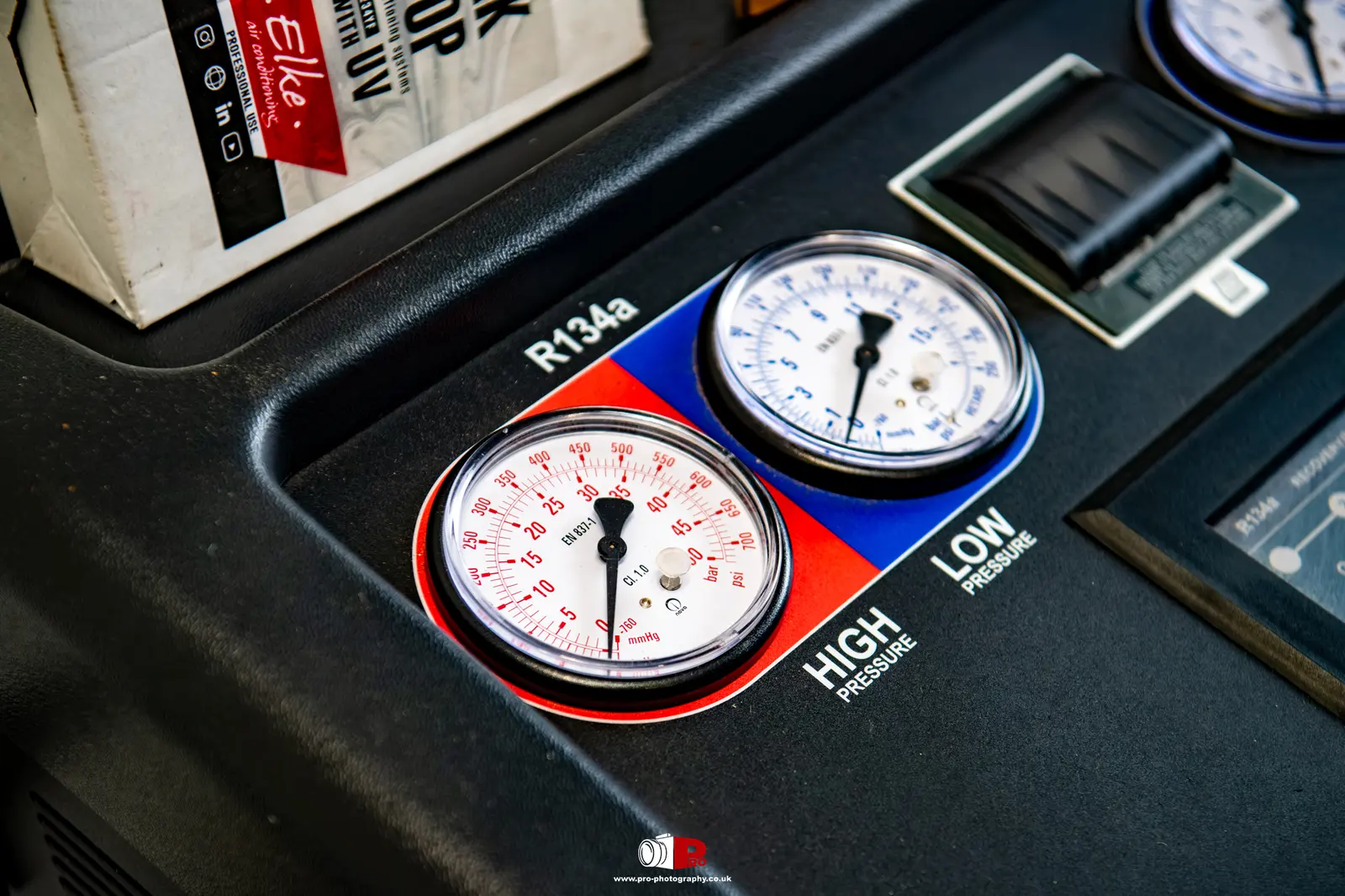
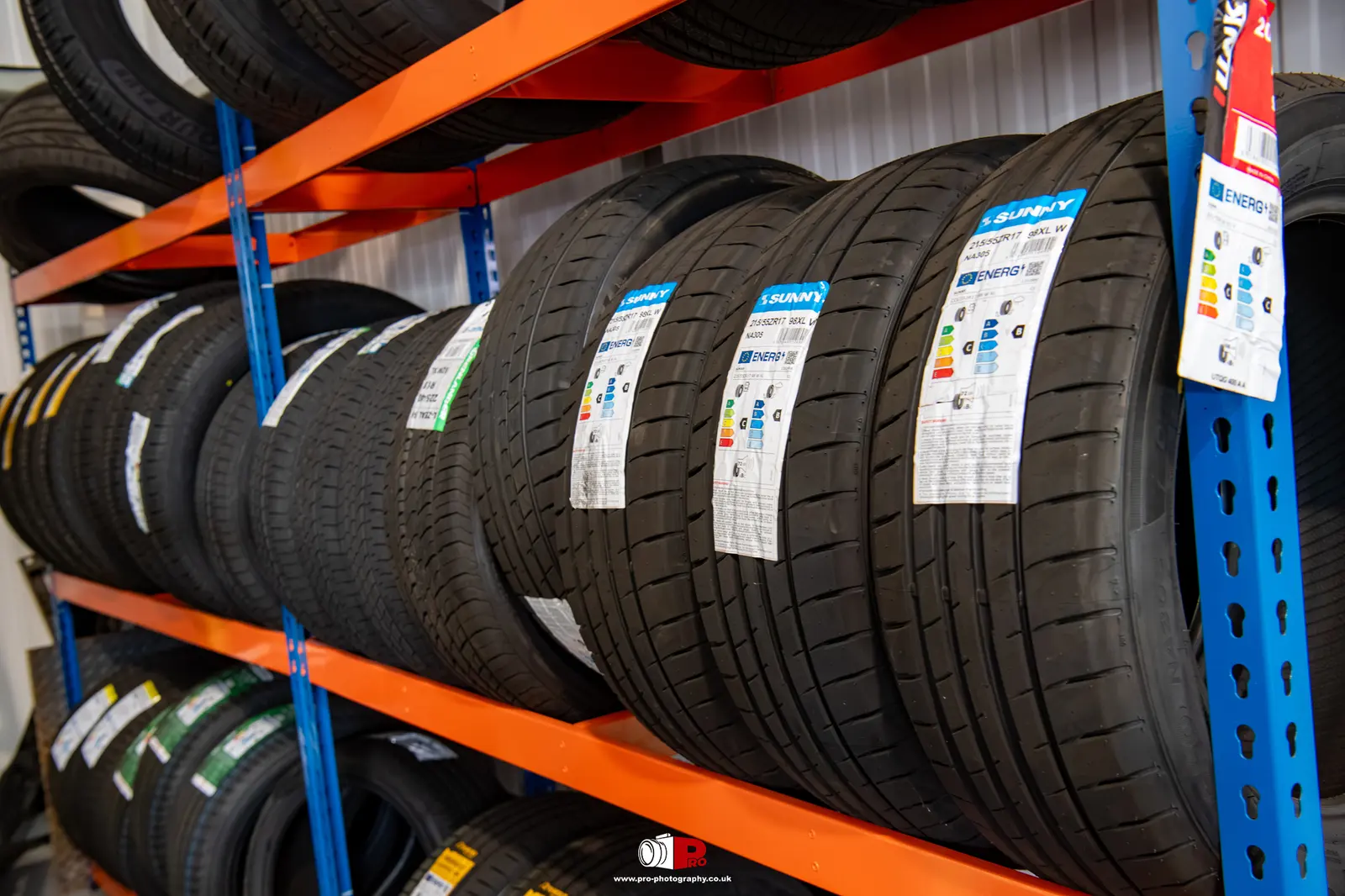
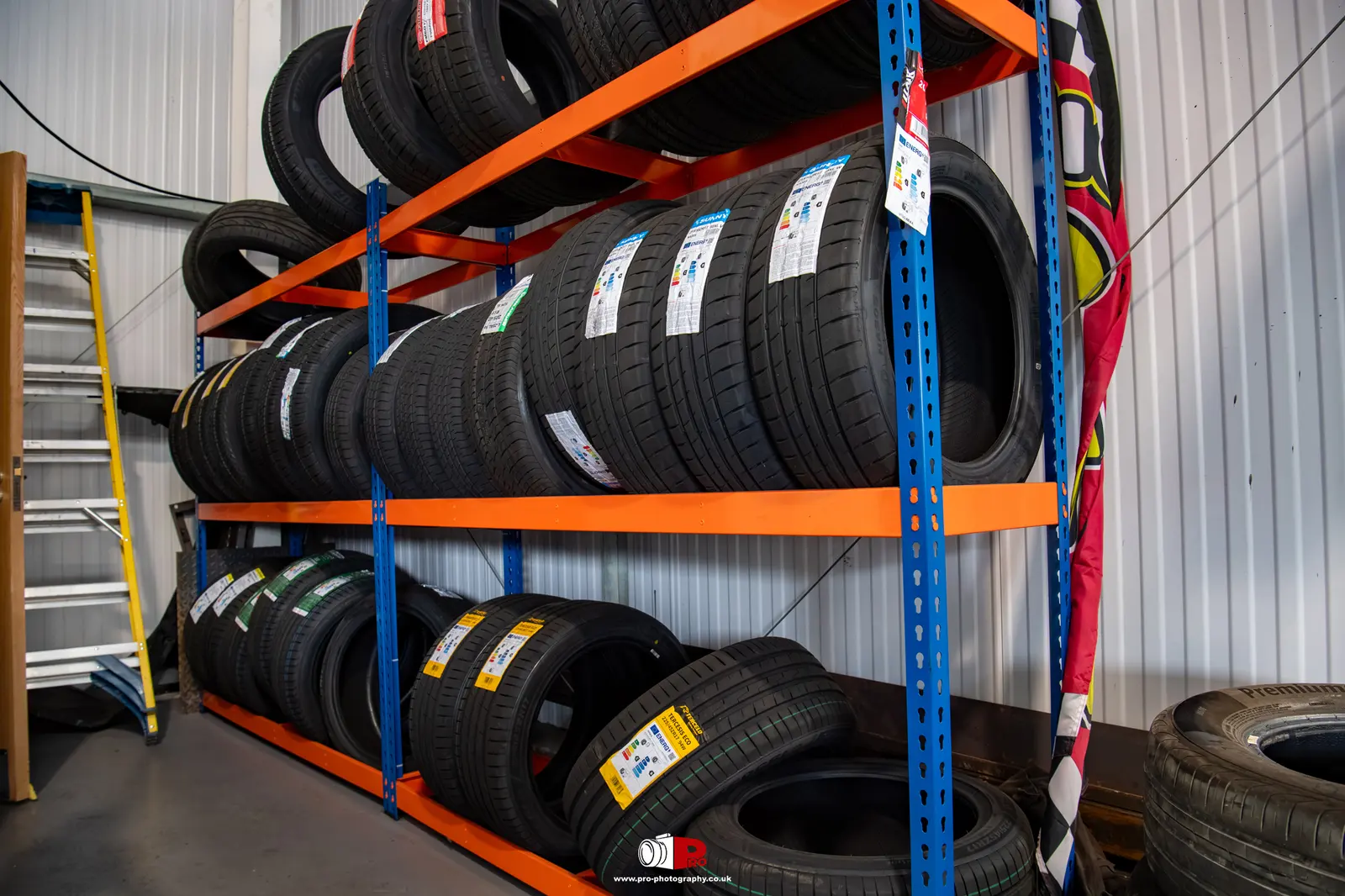
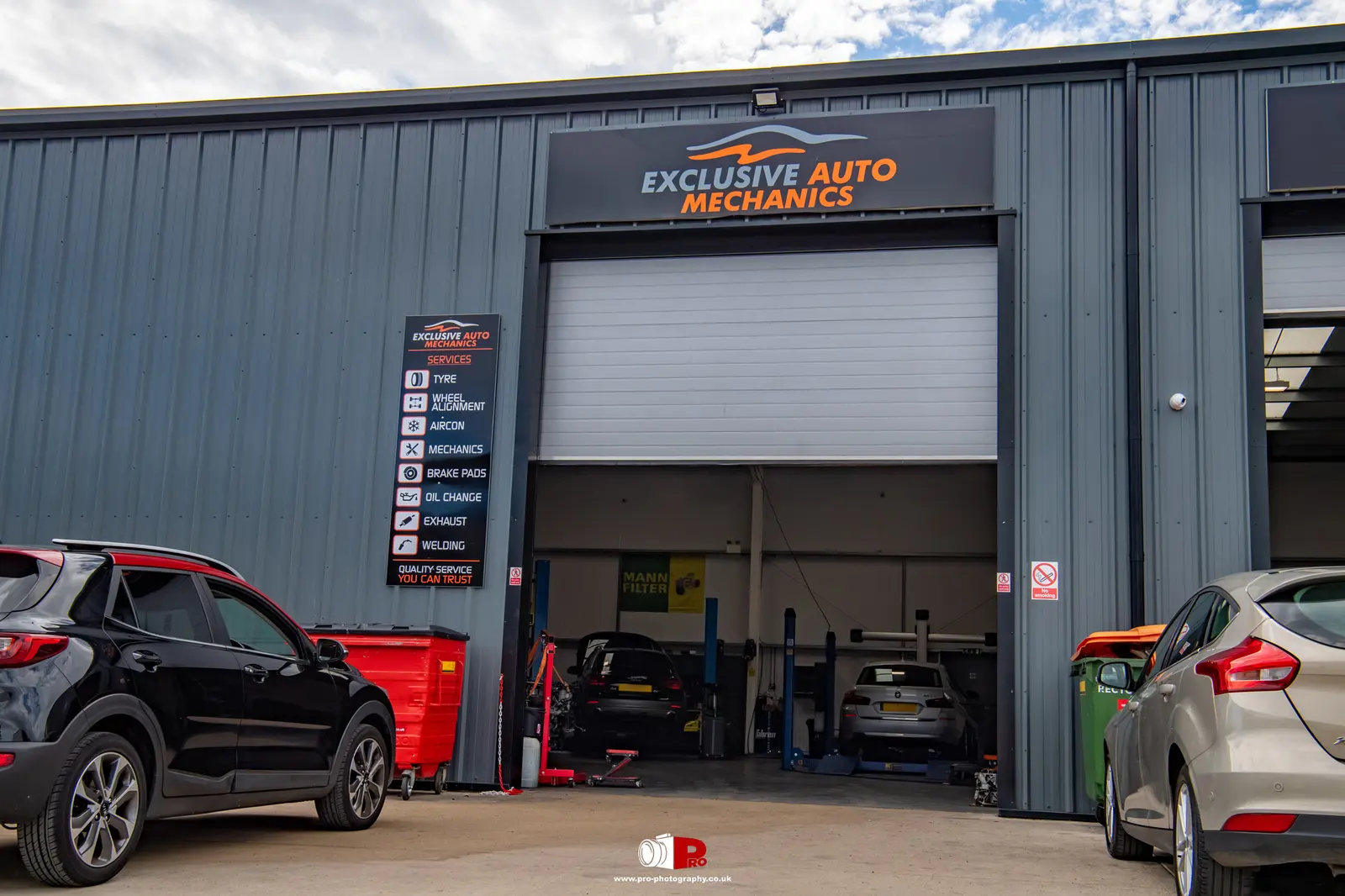
Mechanical work from our workshop on Welbeck Way, Peterborough.
Showing 4 photos
Exhaust repair questions
A hole in an exhaust can usually be welded when the metal around it is still thick and solid. When the pipe has rusted thin, a weld won't hold for long, so replacing that section is the more reliable repair and the one we'd recommend.
A blowing exhaust is likely to fail the MOT, because the test checks the system for leaks, security and excessive noise as well as emissions. Fixing the leak first, as part of a pre-MOT check, means the car goes to the test centre ready.
MOT preparationStainless steel and mild steel exhausts can both be welded in our workshop. Each metal needs the right filler wire and settings, and the two can be joined together, so a stainless section can be fitted into an existing mild steel system.
A catalytic converter warning means the engine computer thinks the cat isn't cleaning the exhaust gas as it should. A faulty oxygen sensor or an engine misfire can trigger the same warning, so a diagnostic check comes before replacing an expensive part.
Car diagnosticsA loud exhaust is mostly a noise problem, but a leak near the engine or under the cabin can let fumes, including carbon monoxide, into the car. If you can smell fumes inside, keep the windows open and have the exhaust checked soon.
Related services
Welding & Fabrication
Welding for sills, floors, chassis rails and exhausts, plus one-off brackets and mounts.
MOT Preparation
A pre-MOT check and any repairs it turns up, so your car is ready before it goes in for its test.
Diagnostics
Diagnostic scans that read fault codes and live data to find engine, electrical and sensor faults.
Page last updated .
Need a quote? Send us a few photos.
Free estimates and honest advice. Claiming on insurance? You get an itemised estimate to send your insurer.