
Paint correction and machine polishing in Peterborough
Paint correction at Exclusive Auto in Peterborough removes swirl marks, holograms, water spots and dullness from your car's clear coat by machine polishing. No new paint is applied: a thin, measured layer of lacquer is levelled to bring back clarity and gloss, then sealed with wax, sealant or a ceramic coating.
How do you know your paint needs correcting?
Look at the bonnet under a bright light or in direct sun. Correction is the answer when the paint is intact but the surface is marked.
- Circular swirl marks that show up in sunlight or under car park lights
- Hazy, rainbow-like holograms left by poor machine polishing
- Water spots etched into the lacquer that washing will not lift
- Dull, faded gloss on paint that is otherwise in good condition
- Fine brush marks from automatic car washes
- Light scratches that a fingernail does not catch on
How much clear coat does paint correction remove?
A modern car's paint is a thin coloured base coat under a clear lacquer, and the lacquer is where swirls and fine marks sit. Paint correction levels that top layer with a machine polisher until the edges of the marks disappear and light reflects evenly again. Removing too much lacquer weakens the protection it gives the colour, so the paint thickness is measured with a gauge before work starts, especially on edges and body lines where lacquer is thinnest.
Most cars need a cutting compound stage for the defects and a finer polishing stage to bring up the gloss, and some panels need only the finishing stage. Correction cannot remove a scratch that has gone through the lacquer into the colour; that needs a paint repair instead. Once corrected, the paint is protected with wax, sealant or a ceramic coating, and careful hand washing keeps new swirls from coming back.
What a paint correction includes
- Wash, decontamination and clay bar treatment
- Paint thickness readings before polishing
- Machine compounding to remove swirls and holograms
- Removal of oxidation and etched water spots
- Fine polishing stage to restore the gloss
- Wax, sealant or ceramic protection of your choice
The stages of a machine polish
- 1
Wash and decontaminate
The car is washed, tar and iron fallout are removed, and the paint is clayed so the polisher works on a clean surface.
- 2
Inspect and measure the paint
Each panel is checked under bright light and measured with a paint gauge, so we know how much lacquer there is to work with.
- 3
Compound out the defects
A cutting compound and machine polisher level the lacquer until swirls, holograms and water spots are gone, starting with a small test area.
- 4
Refine to a high gloss
A finer polish removes the slight haze left by compounding and brings the paint up to a clear, deep shine.
- 5
Protect the finish
Wax, sealant or a ceramic coating goes on to protect the corrected lacquer and make the car easier to wash.
What the price of paint correction depends on
- Size of the car and the number of panels
- How heavy the swirls and marks are
- A single polishing stage or a compound and polish
- Hardness of the clear coat, which varies between manufacturers
- The protection you choose: wax, sealant or ceramic coating
Photos rarely show swirls well, so send a few on WhatsApp for a free estimate and the price is confirmed once we see the paint in good light.
What customers say about our paint correction
Word for word from our Google listing.
After visiting Exclusive Auto Body Shop, I now have a serious problem: I feel awkward driving my car because it looks cleaner and shinier than I do. Enough with compromises and backyard mechanics—these guys work with such precision that I was seriously tempted to leave my home washing machine with them for a polish. Absolutely incredible!
Nedko NikolovGoogle
Photos from the workshop
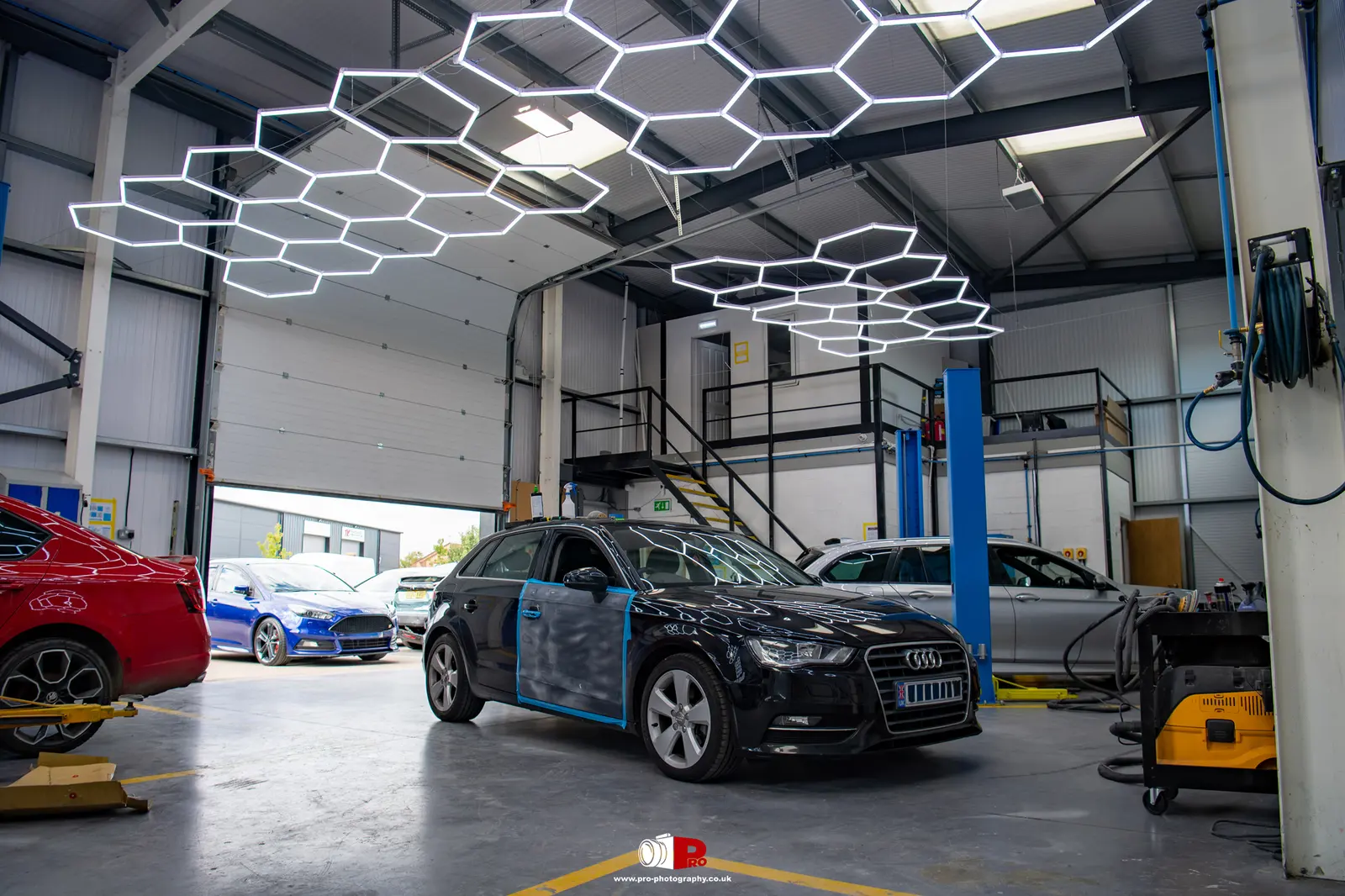
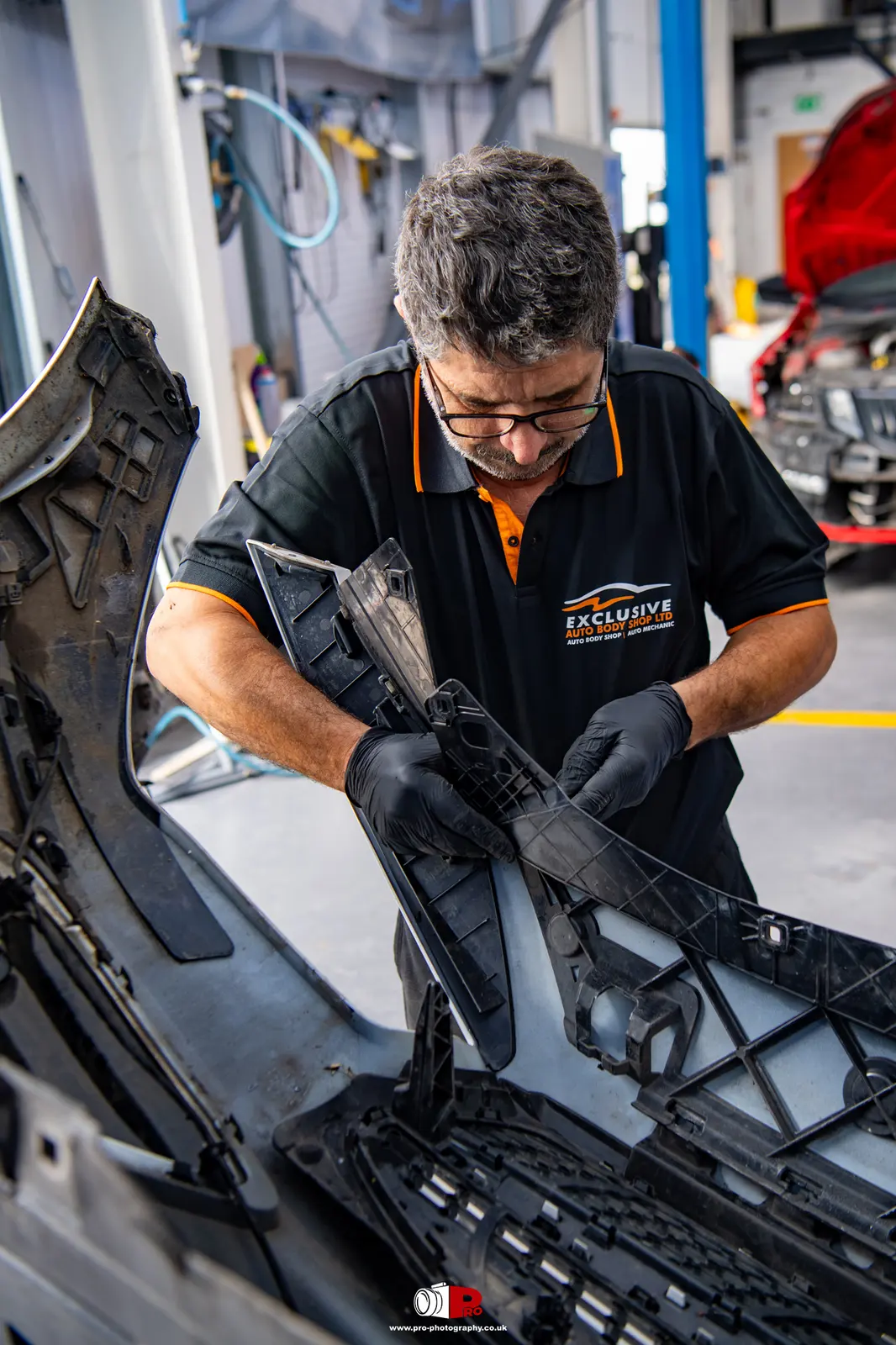
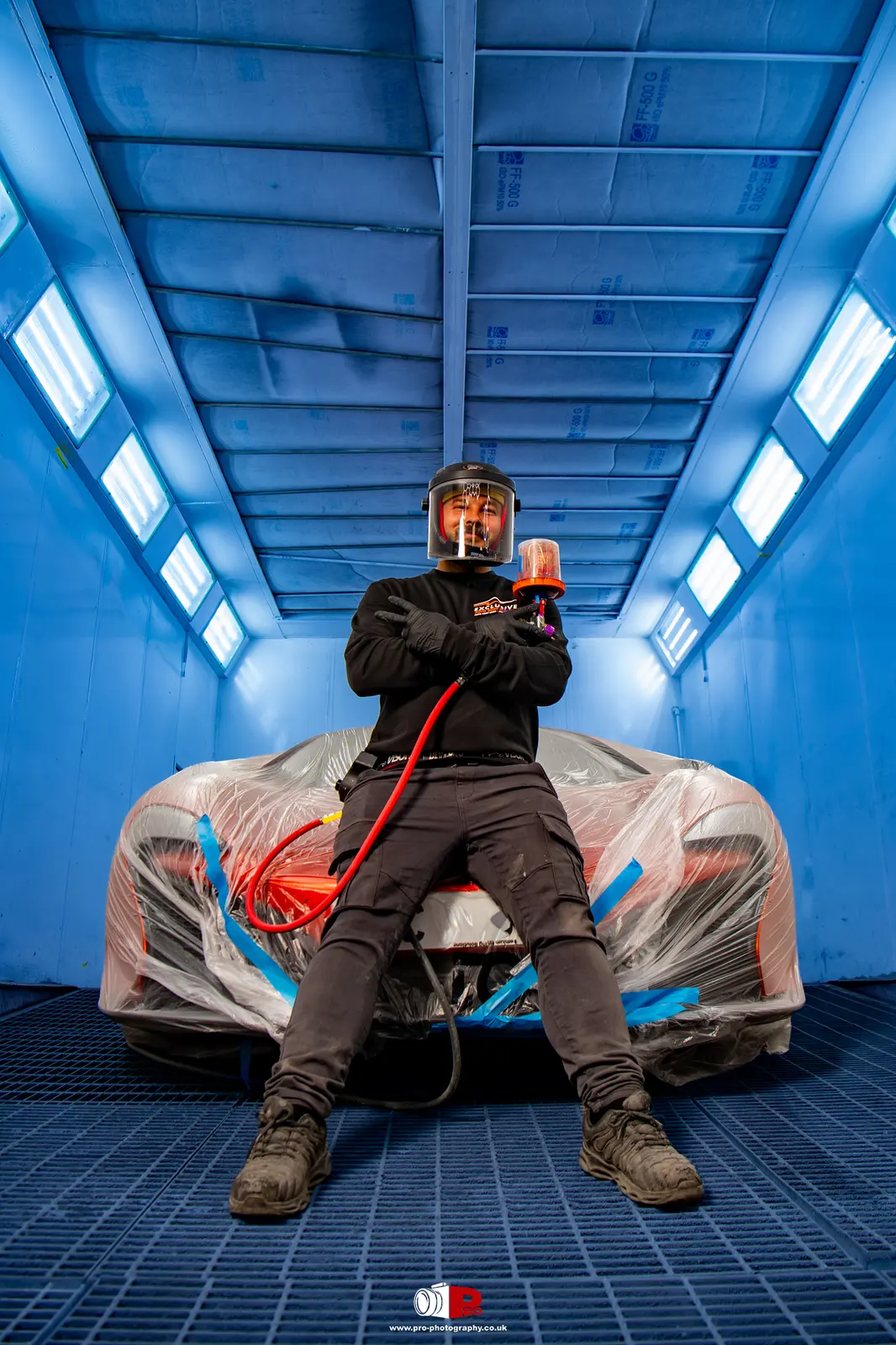
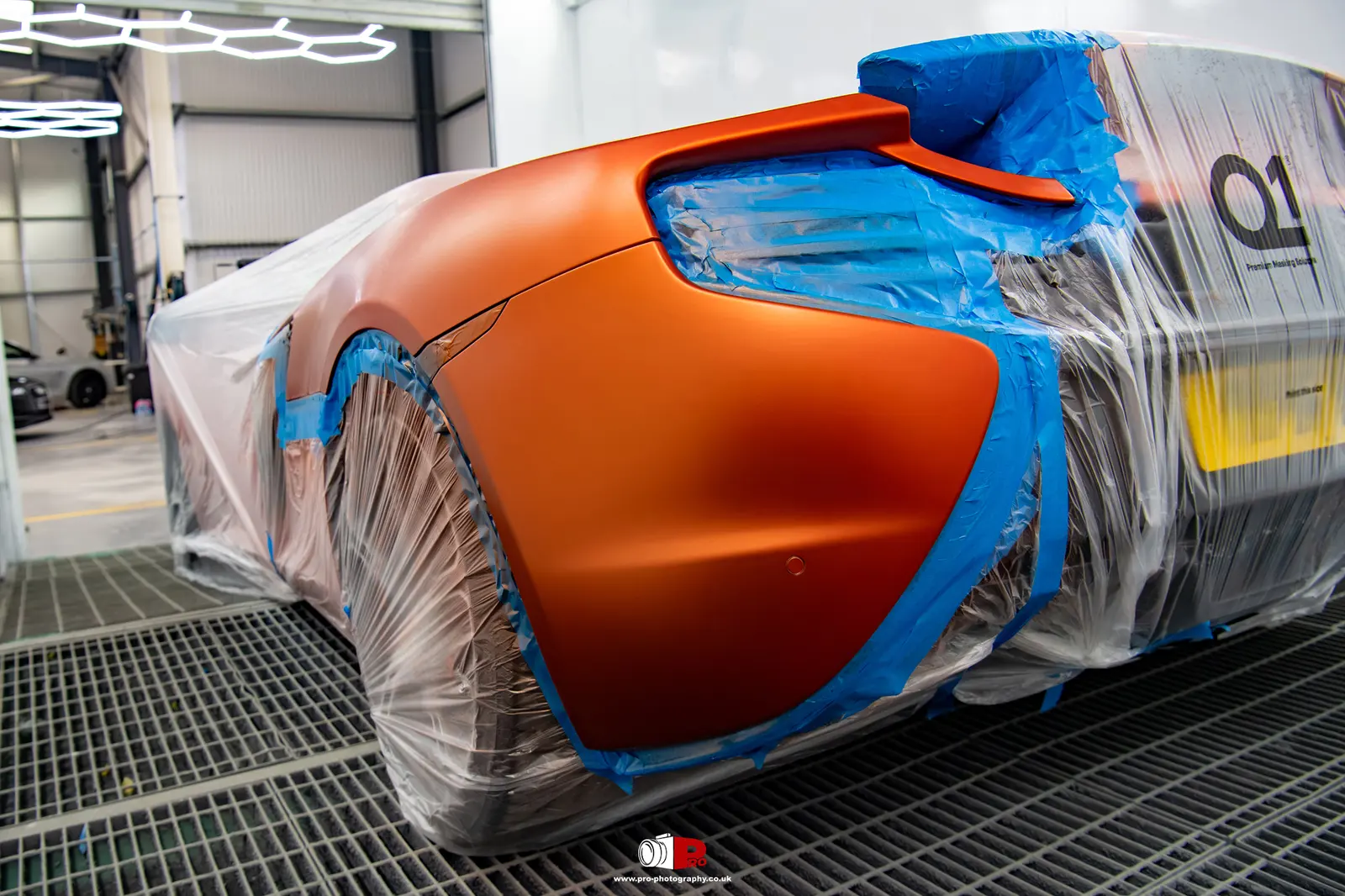
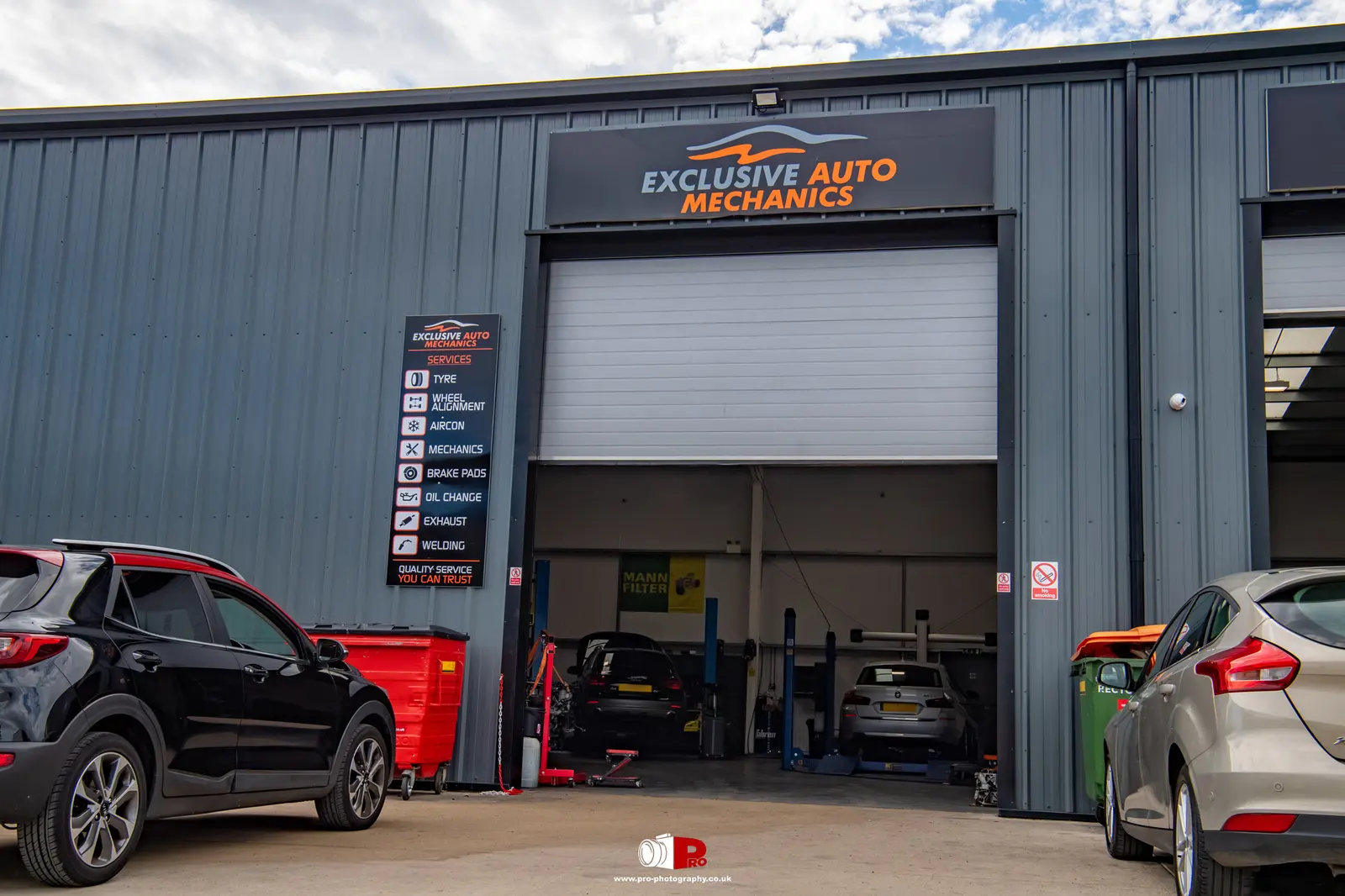
Paint and bodywork from our body shop on Welbeck Way, Peterborough.
Showing 4 photos
Paint correction questions
Not quite. Detailing covers cleaning and protecting the car inside and out. Paint correction is the part that removes defects from the clear coat by machine polishing, and it can be booked on its own or as part of a full detail.
Car detailingPaint correction removes marks that sit in the clear coat, such as swirls and light scratches. A scratch that catches a fingernail or shows a different colour at the bottom has gone deeper, and needs a scratch repair with paint rather than polishing alone.
Scratch repairMachine polishing done with care does not damage the paint. Each stage removes a tiny amount of lacquer, which is why the thickness is measured first and edges are treated lightly. Repeated aggressive polishing over the years is what thins a clear coat.
New cars often arrive with light swirls or holograms from cleaning at the factory, in transport or at the dealer. A single-stage polish usually clears those marks, and protecting the paint early makes the car easier to keep looking new.
Swirl marks come mostly from washing. Use two buckets and a clean wash mitt, dry with a soft microfibre towel, and avoid brush car washes. A sealant or ceramic coating also helps dirt rinse off with less rubbing.
Related services
Scratch Repair
Light scuffs polished out and deeper scratches refinished, so the panel looks even again.
Car Detailing
Interior and exterior detailing: deep clean, decontamination, polish and protection.
Full Resprays
Complete resprays in the original colour or a new one, sprayed in our booth on Welbeck Way.
Page last updated .
Need a quote? Send us a few photos.
Free estimates and honest advice. Claiming on insurance? You get an itemised estimate to send your insurer.